HPV vaccine significantly lowers risk of cervical cancer, large study finds - NBC News
HPV vaccine significantly lowers risk of cervical cancer, large study finds - NBC News |
- HPV vaccine significantly lowers risk of cervical cancer, large study finds - NBC News
- Varicella Zoster Virus and Human Papillomavirus Vaccination in Immunocompromised Patients - Contagionlive.com
- Everything You Need to Know HPV - Coveteur
| HPV vaccine significantly lowers risk of cervical cancer, large study finds - NBC News Posted: 30 Sep 2020 12:00 AM PDT 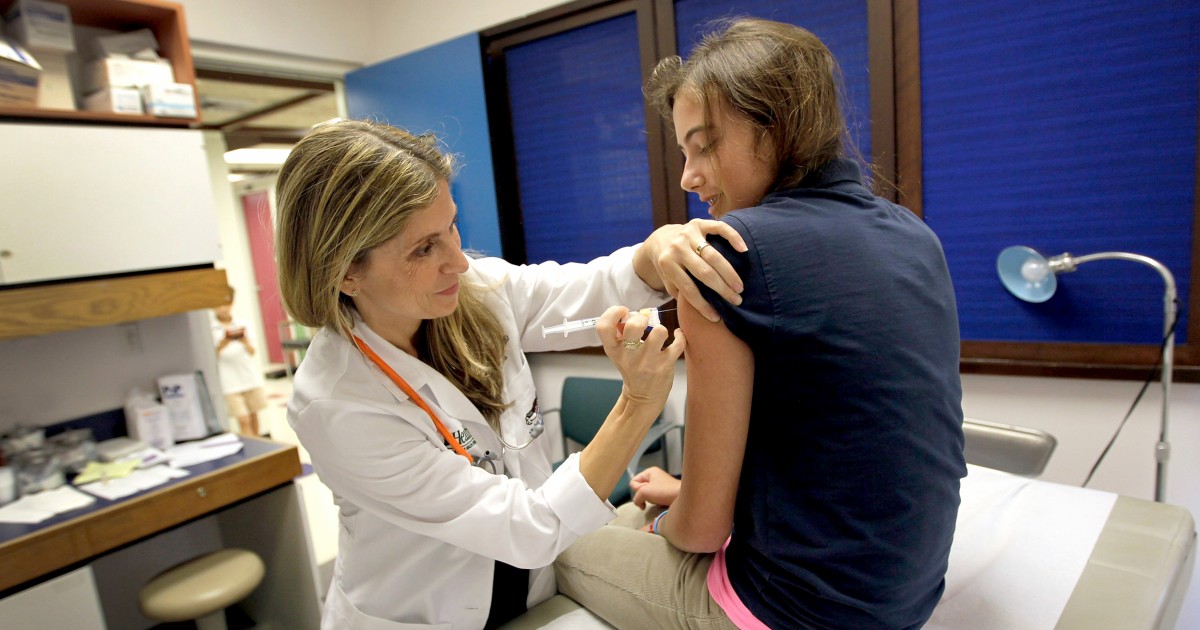 The HPV vaccine substantially reduces a woman's risk of developing cervical cancer, especially in women who were immunized at a younger age, a large Swedish study found. The risk of developing cervical cancer was reduced by 88 percent in women who had been vaccinated before age 17, and by 53 percent in those vaccinated between ages 17 and 30, according to the study of nearly 1.7 million girls and women that was published in Thursday's issue of The New England Journal of Medicine. The researchers said the study is significant because while previous research has shown that the HPV vaccine can protect against the human papillomavirus infection, genital warts and cervical precancer, solid evidence that the vaccine actually prevented invasive cervical cancer was lacking. "This is the first study to show that HPV vaccination protects against cervical cancer on the population level," study author Par Sparen, a professor of medical epidemiology at the Karolinska Institute in Sweden, said in an email to NBC News. "The study reassures that HPV vaccination is protective against cervical cancer, and that vaccination at young age is important for good protection," Sparen said. Women who were vaccinated as younger girls likely had better protection because they were immunized before they were exposed to HPV through sexual activity, the researchers said. Human papillomaviruses are a group of viruses that cause genital warts and most cases of cervical cancer. HPV also can cause cancers of the vagina, vulva, anus, penis and throat. The Centers for Disease Control and Prevention estimates that HPV causes nearly 35,000 cancer cases every year in women and men in the United States. The study, which used nationwide registry data in Sweden, followed 1.7 million girls and women who were ages 10 to 30 between 2006 — the year the HPV vaccine was approved in that country — and 2017. Of them, 527,871 had received at least one dose of the vaccine during the study, most before age 17. Cervical cancer was diagnosed in 19 vaccinated women and 538 unvaccinated women during the study period. The study is important because it "confirms what we know and also goes a step further," Debbie Saslow, managing director of HPV and gynecological cancers at the American Cancer Society, said. "We have really strong data that show that HPV vaccination prevents advanced cervical precancer, and all scientists in the world who work in cervical cancer agree that if you prevent advanced pre-cancer you prevent cancer, and that that is the accepted marker," she said. "However, there are some critics and naysayers who say, 'Yeah but show me that it prevents cancer,' and this does that." With the new paper, "we now have absolute numbers and data that say in the girls and young women who were vaccinated, they had very strong protection against cervical cancer, as compared to the women who weren't vaccinated," Saslow said. The version of the HPV vaccine used in the study protected against four HPV types. A newer vaccine currently used in the United States goes further, protecting against nine HPV types. The HPV vaccine is considered most effective when given to preteens, before they are exposed to HPV and also when they appear to have the strongest immune response to the vaccine. The CDC recommends two doses of the HPV vaccine for all girls and boys ages 11 to 12, but says the vaccine can be given as early as age 9. Those who receive the first dose at age 15 or up need a three-shot series, the CDC says. The vaccine is recommended for everyone through age 26, and for some people up to age 45 in consultation with a physician.  |
| Posted: 29 Oct 2020 08:02 AM PDT  Immunocompromised patients are at elevated risk of complications from primary and reactivation infections with herpesviruses, including varicella zoster virus (VZV) and human papillomavirus (HPV). In the past several decades, vaccines have been become available to prevent primary VZV infection (chickenpox), reactivation VZV infection (herpes zoster, or shingles), and primary HPV infection, and all are routinely recommended for distinct age groups in the general population. The presence of immunocompromise requires special attention to several aspects of vaccination. The first is safety: Live attenuated vaccines are "weakened" but potentially have viable virus. This may cause disseminated infection in severely immunocompromised patients, and live vaccines are therefore generally avoided. Inactivated vaccines do not contain live virus and cannot cause disseminated infection; therefore, they are safer. However, many inactivated vaccines contain adjuvants, which might theoretically increase the risk of rejection and/or graft-versus-host disease (GVHD) in solid organ transplant (SOT)1 and allogeneic hematopoietic stem cell transplant (HSCT) recipients, respectively.2 The second consideration is efficacy: Immunocompromised patients may not mount the expected immune response to a vaccine and may therefore derive less benefit. As a general principle, vaccines should be administered prior to initiation of immunosuppression whenever feasible (eg, patients being listed for SOT should be vaccinated prior to transplant). Live vaccines should be administered 4 weeks or more prior to initiation of immunosuppression, and they should especially be avoided within 2 weeks prior to immunosuppression given the risk of developing disseminated disease. Inactivated vaccines should be given at least 2 weeks prior to immunosuppression to allow time for an adequate immune response.3 In this article, we will discuss the specifics of VZV and HPV in immunocompromised patients, with a specific focus on vaccine safety and efficacy in this population. The Table gives a summary of recommendations by type of immunosuppression. Primary Varicella Vaccine Immunocompromised patients who contract primary varicella infection are at risk for disseminated disease, and they have a several-fold increased risk of death compared with their immunocompetent counterparts.4 The first varicella vaccine was approved in 1995 for the prevention of primary VZV infection in susceptible children and adults. It is available in 2 formulations, both of which are live attenuated: a single-antigen formulation (VAR; Varivax), licensed for use in patients 12 months or older, and a combination formulation with measles, mumps, and rubella (MMRV; ProQuad), licensed only for use in patients aged 12 months to 12 years. MMRV contains a 7-fold higher dose of varicella antigen than the single-antigen formulation,5 and it is not recommended for use in any immunocompromised population. VAR is given as 2 doses at at ages 12-15 months and age 4-6 years for children, and 2 doses at least 4 weeks apart for patients 13 years and older. VAR is recommended prior to immunosuppression for patients without evidence of varicella immunity, as long as it can be given 3-4 weeks prior to starting immunosuppression. It is also recommended for patients with HIV and CD4 greater than 200 cells/mm3, and for patients with primary immune deficiencies without defects in T-cell–mediated immunity. It can be considered for patients on long-term low-level immunosuppression (ie, patients receiving steroids equivalent to £ 20 mg of prednisone daily; patients on low-dose methotrexate or azathioprine). As a live vaccine, it is contraindicated in patients who are highly immunosuppressed, including SOT and HSCT recipients.3 There have been reports of disseminated varicella due to the vaccine in this population. VAR has been shown to be safe, effective, and immunogenic in children with HIV and CD4 percentages of at least 15%.6,7 Data on the immunogenicity of the vaccine in the other immunocompromised populations who can safely receive it are lacking. Zoster Vaccines Immunosuppressed patients are similarly at increased risk of disseminated infection and complications of herpes zoster. Two zoster vaccines exist but only 1 remains available in the United States.8 No longer available is the older of these, known as zoster vaccine live (ZVL; Zostavax), which was approved in 2006. A live attenuated vaccine, ZVL contains 13 to 44 times as much VZV antigen as VAR. The newer zoster vaccine, available since 2017, is called recombinant zoster vaccine (RZV; Shingrix) and is a recombinant glycoprotein E vaccine. Systematic reviews suggested that RZV is more effective than ZVL in reducing the incidence of herpes zoster,9,10 and RZV is now preferred in most clinical contexts.11 Zoster vaccination is indicated for immunocompetent patients 50 years and older. There is no evidence for earlier vaccination in immunocompromised populations, with the exception of patients who have undergone autologous HSCT; autologous HSCT recipients 18 years and older may receive the RZV series starting 50 to 70 days post transplant, on the strength of a 2019 randomized controlled trial (RCT) showing RZV vaccination to be both safe and effective in reducing the incidence of herpes zoster in this population.12 Like other live vaccines, ZVL is contraindicated in many immunocompromised patients; it can be considered for patients with anticipated or low-level immunosuppression and for patients with HIV and CD4200 cells/mm3or greater. In the latter group, it has been shown to be safe and immunogenic.13 For patients with higher-level immunosuppression, RZV is generally considered relatively safe, although for SOT and allogeneic HSCT recipients, there is a theoretical risk that the immune activation generated by the vaccine adjuvant could increase the risk of organ rejection or GVHD. A recent RCT enrolling renal transplant recipients 4 to 18 months post transplant found that RZV induced an immunologic response without increasing the incidence of adverse events, including rejection14; a similar study in lung transplant recipients is ongoing.15 For now, the current recommendation of the American Society of Transplantation and Infectious Diseases Community of Practice is that RZV use for posttransplant patients be determined on an individual basis using clinical judgment.16 Data for RZV use in allogeneic HSCT recipients are lacking. RZV has been shown to be safe and immunogenic in patients with HIV,17 and it is the preferred zoster vaccine for this population (although an official recommendation from the US Department of Health & Human Services is pending). HPV Vaccine The HPV vaccine has been available since 2006 for the prevention of HPV-related cancers (eg, cervical, anal, vulvar, vaginal, and oropharyngeal cancers) and genital warts. Previous iterations have included a quadrivalent and a bivalent formulation; the formulation currently available in the United States is a 9-valent vaccine (Gardasil 9) and is recommended for unvaccinated immunocompetent females and males starting when aged 11 to 12 years, through 26 years. The vaccine is FDA approved for use through 45 years, and the Advisory Committee on Immunization Practices recommends shared decision-making for patients aged 26 to 45 years.18 For immunocompetent patients 11 years or older, and for all immunocompromised patients, it is given as a 3-dose series, at 0, 1 to 2, and 6 months. Immunocompromised patients are at significantly elevated risk of HPV-related cancers,19 and because the vaccine is considered safe, immunocompromised patients should be vaccinated according to the usual age guidelines. In patients with HIV, the quadrivalent vaccine is well tolerated and produces high rates of seroconversion in patients both on and off antiretroviral therapy.20,21 Although immunogenicity is lower in patients with CD4 less than 200 cells/mm3, seroconversion rates are still in the 70% to 90% range, depending on the serotype.22 Data for immunogenicity in patients with immunocompromising conditions other than HIV are more limited. A study of the quadrivalent HPV vaccine in 50 SOT recipients found that the vaccine series produced seroconversion in 53% to 68% of subjects, in contrast to 97% to 99% of immunocompetent patients in prior studies.23 Conclusions Immunocompromised patients have a higher burden of VZV- and HPV-associated disease. As such, immunization becomes a key strategy to prevent the occurrence of disease. Guiding principles for the administration of vaccines include as follows:
For VZV, we recommend RZV whenever possible as it is safe (inactivated virus) and effective. For autologous HSCT patients, we recommend RZV for recipients 18 years and older. For all other immunocompromised patients, we recommend RZV for those 50 years or older, administered prior to solid organ transplantation if possible. Fewer data exist for patients who have received solid organ transplants and for allogeneic HSCT recipients, so we recommend RZV vaccination on an individual basis (Table). For HPV, we recommend offering the nine-valent vaccine to all immunocompromised patients aged 11 to 26 years. Catherine DeVoe, MD, is a second-year fellow in Infectious Diseases at the University of California, San Francisco. Her research and clinical interests focus on immunocompromised hosts, with a particular emphasis on patients with hematologic malignancies. Peter Chin-Hong, MD, is Professor of Medicine and director of the immunocompromised host infectious diseases program at the University of California, San Francisco. His primary research interests include donor derived infections in solid organ transplant recipients and molecular diagnostics for infectious diseases in immunosuppressed patients.  |
| Everything You Need to Know HPV - Coveteur Posted: 29 Oct 2020 05:00 AM PDT It's time to talk about the elephant in the room: HPV. You likely have it, have had it, or know someone who has it. In fact, about 80 percent of sexually active people have or have had HPV. Yet, people don't talk about the virus, and when diagnosed, most typically do not know where to turn. So we must ask ourselves: How can something so ubiquitous be such a controversial conversation topic? To better understand what exactly HPV is, why we get it, and how we can treat it, we consulted with two professionals: Dr. Jessica Shepherd, OB/GYN and Ceek Women's Health Ambassador, and OB/GYN and Hugh & Grace medical advisory board member Dr. Kathleen Valenton. Defining HPVTo understand how HPV affects our bodies, we must first understand what exactly HPV is. Dr. Shepherd explains, "Human papillomavirus (HPV) is a virus that is actually the most common viral infection of the reproductive tract. Most sexually active women and men will be infected at some point in their lives," which is why you and your closest friends most likely already have or have had the virus. HPV is not a one-size-fits-all virus. There are over 100 strains of HPV that fit into two different categories: low-risk and high-risk. Low-risk strains typically present themselves as genital warts on the vulva or labia. High-risk strains present themselves on the cervix and can only be detected during a pap smear. For those worried about cervical cancer, high-risk strains of HPV are the ones to watch. Dr. Valenton explains, "There are 14 'high-risk' strains that can potentially cause cancer. They are: 16, 18, 31, 33, 35, 39, 45, 51, 52, 56, 58, 59, 66, and 68. Types 16 and 18 are responsible for the majority of cervical cancer." Dr. Valenton adds, "HPV 16, in particular, can cause throat cancer [and] is also implicated in anal cancer." Thus, people with HPV 16 should certainly also see an ENT and colorectal physician regularly. Although this may sound frightening, you should not worry just yet. If you have been diagnosed with a low-grade abnormality, Dr. Valenton explains, "Low- and high-risk refer to the type of HPV strain. Low- and high-grade refers to the degree to which the high-risk strains have changed the cellular structure." Although a low-grade abnormality can eventually lead to cancer, it also can go away on its own. In fact, according to the CDC, 90 percent of low-grade abnormalities go away on their own. Additionally, a person can live with a low-grade abnormality for years before it turns into anything too serious. Cause & PreventionSo how can one contract HPV? The answer is pretty simple: by having sex, and that includes oral and anal. HPV transmits via skin-to-skin contact, meaning that even if a condom is used properly, the skin contact around a condom can still transmit the virus from person to person. However, this does not change the fact that you should always use a condom since condoms still cover a great portion of skin contact. Dr. Valenton states, "Using condoms can help minimize exposure to other strains while you are busy fighting the one you have." As far as other preventative measures go, Dr. Valenton explains, "The main precaution we take to avoid contracting HPV is to get vaccinated." The caveat is that it only protects against nine cancer-causing strains of HPV, which is why you can have HPV even if you were vaccinated. However, the vaccine itself protects against most high-risk strains that can lead to cancer, which is why it is critical to get the shot before becoming sexually active. Additionally, Dr. Shepherd recommends limiting your number of sexual partners. However, it is important to note that even if you only have one partner in your life, if they've had a partner before you, you can still contract HPV. It's that common. TreatmentUnfortunately, there is no cure for this virus. But do not let this deter you from maintaining your yearly gynecology appointment; Dr. Shepherd explains, "There are many management plans that an OB/GYN can help with if there [are] any cervical abnormalities on the PAP and HPV CO-TESTING. It is important to [start these tests] at the age of 21. Both tests are much more valuable after the age of 30." It is critical to monitor the progression or dissipation of your HPV, so make sure to visit your doc as often as they recommend. If your HPV progresses to a high-grade state, there is a procedure that can help rid your body of the cells' growth. Dr. Valenton explains, "A more aggressive minor surgical procedure that can be curative is a LEEP procedure. This stands for Loop Electrosurgical Excision Procedure. This is an in-office procedure that we do for patients who have high-grade changes to their cervix. A hot wire loop is passed through tissue and cuts it away from the cervix to remove the portion affected by HPV. Oftentimes, patients will have normal pap smears after this procedure is done." Still, it is important to note that a LEEP only eliminates the high-grade cells caused by HPV, and it might not clear the HPV virus entirely. And although LEEPs were used to treat all grades of high-risk HPV at one point in time, most gynecologists refrain from doing this procedure until absolutely necessary since low-grade abnormalities typically go away on their own. Although there is no cure, there are steps to help your body fight off the virus. Says Dr. Valenton, "Our immune system, if intact, will learn to fight it over time. Maintaining a healthy immune system can be accomplished by getting plenty of rest [and] taking vitamins to boost immunity." Dr. Valenton explains that B-complex vitamins have been shown to help your body fight off the virus. In addition to this, getting an appropriate amount of exercise and eating a healthy diet of whole foods should help boost your immune system. One thing to avoid when diagnosed with any strain of HPV is cigarette smoking. According to a 2010 study, "smoking may increase cell proliferation and turnover in the transformation zone of the cervix." In other words, the same way a retinoid can speed the cell turnover and cell production on your skin, cigarette smoking can speed up abnormal cell production on your cervix, which can cause low-grade cells to either never go away or turn into cancer. Life After HPVDr. Shepherd points out that in some instances the virus can repeatedly infect people. This means that even if you are now HPV-free, you must still make it a point to schedule your yearly OB/GYN appointment. Additionally, for those of you looking to expand your family size either now or down the line, HPV does not affect your ability to get pregnant—although a LEEP can cause some complications during pregnancy. Says Dr. Valenton, "A LEEP procedure can potentially affect the integrity of a cervix during pregnancy. It does not mean that it will definitely weaken the cervix, but it can. It is important to consult with your obstetrician so that the cervix can be monitored closely for shortening, and if need be it can be reinforced with a stitch called a cerclage." Bottom line, do not let your recent (or perhaps not-so-recent) diagnosis scare you. Dr. Valenton explains, "Because it is so common, people should not feel stigmatized if they test positive. This should not be viewed as something that you have to call every partner you have had in the past about. It should not keep someone from avoiding dating or having healthy relationships. It simply is information that can help you and your doctor in deciding how closely [you] should monitor your cervix." So, in simpler words, enjoy your life and take care of yourself. Editor's Note: Although we have spoken with multiple experts and done a ton of research to deliver you the most accurate health information available, we are by no means medical professionals. If you have HPV or think you have HPV, please contact your OB/GYN for a proper diagnosis and treatment plan. Want more stories like this? A Modern-Day Guide to Balancing Your Hormones Advertisement  |
| You are subscribed to email updates from "what is hpv" - Google News. To stop receiving these emails, you may unsubscribe now. | Email delivery powered by Google |
| Google, 1600 Amphitheatre Parkway, Mountain View, CA 94043, United States | |


Comments
Post a Comment