Ask the Doctors: It's safe to proceed with HPV vaccinations during COVID-19 - Tulsa World
Ask the Doctors: It's safe to proceed with HPV vaccinations during COVID-19 - Tulsa World |
- Ask the Doctors: It's safe to proceed with HPV vaccinations during COVID-19 - Tulsa World
- Biomarker Blood Test Offers Diagnostic Potential for HPV-Related Cancers - Cancer Network
- It's safe to proceed with hpv vaccinations during covid-19 - Brunswick News
| Ask the Doctors: It's safe to proceed with HPV vaccinations during COVID-19 - Tulsa World Posted: 24 Nov 2020 10:00 PM PST  Dear Doctors: My daughter is overdue for her second shot of the HPV vaccine, but I'm hesitant due to the pandemic because I want her immunity to be strong right now. Are you recommending people get this vaccine during COVID? Dear Reader: The short answer is yes, we strongly encourage everyone to receive all of their routine vaccinations at this time, including the series for the human papilloma virus, also known as HPV. Although vaccines work by interacting with the immune system, each one is specific to a certain infectious agent. The HPV vaccine creates antibodies to the human papilloma virus. That means it will not interfere with the immune system's ability to respond to the coronavirus that causes COVID-19. The human papilloma virus refers to a large group of related viruses. Most cause warts on various parts of the body. The viruses are divided into low-risk types, which are rarely dangerous, and high-risk types, which can develop into cancers. These include cervical cancer, cervical precancer, certain throat cancers, anal cancer and cancers of the penis, vulva and vagina. Taken together, HPV infection causes up to 40,000 cases of cancer each year. This includes 11,000 cases of cervical cancer, which cause 4,000 deaths each year. Cervical precancer, which means abnormal cells are present on the cervix, affects almost 200,000 women each year. Treatment to prevent more advanced cases of cervical precancer from progressing to cancer include cryosurgery or laser therapy to freeze or burn away the cells. These treatments can limit the patient's future ability to have children. The good news is that the HPV vaccine, which was introduced in 2006, is extremely effective at offering protection from the virus. Widespread vaccination could prevent more than 90% of cancers that are now caused by HPV. Younger patients between the ages of 9 and 14 will be protected by two doses of the vaccine, with the second dose given six to 12 months after the first. Three doses are recommended for individuals between the ages of 15 and 24, with the second dose given two months after the first and the third within six months of the first. It can be a little confusing, but your health care provider will advise you on the optimal schedule for each child according to their age. We heard from another reader, who asked us to discuss HPV and colon cancer. Although the role of HPV in anal cancer is well-established, a potential link to colon cancer has been a source of controversy. That may be changing. A study published by the National Institutes of Health found HPV infection is common in patients with colorectal cancer. The study reported that HPV infection was often found in colorectal cancer tissues, as well as tissues adjacent to the cancers. Analyses of data in Europe, Asia and South America also found a higher incidence of colon cancer among individuals infected with HPV. With a recent increase of colon cancer among younger adults, research into a potential link is increasing and may soon lead to a more definitive answer. Send your questions to askthedoctors@mednet.ucla.edu. For copyright information, please check with the distributor of this item, Universal Uclick. Sign up now to get the most recent coronavirus headlines and other important local and national news sent to your email inbox daily.  |
| Biomarker Blood Test Offers Diagnostic Potential for HPV-Related Cancers - Cancer Network Posted: 25 Nov 2020 07:10 AM PST 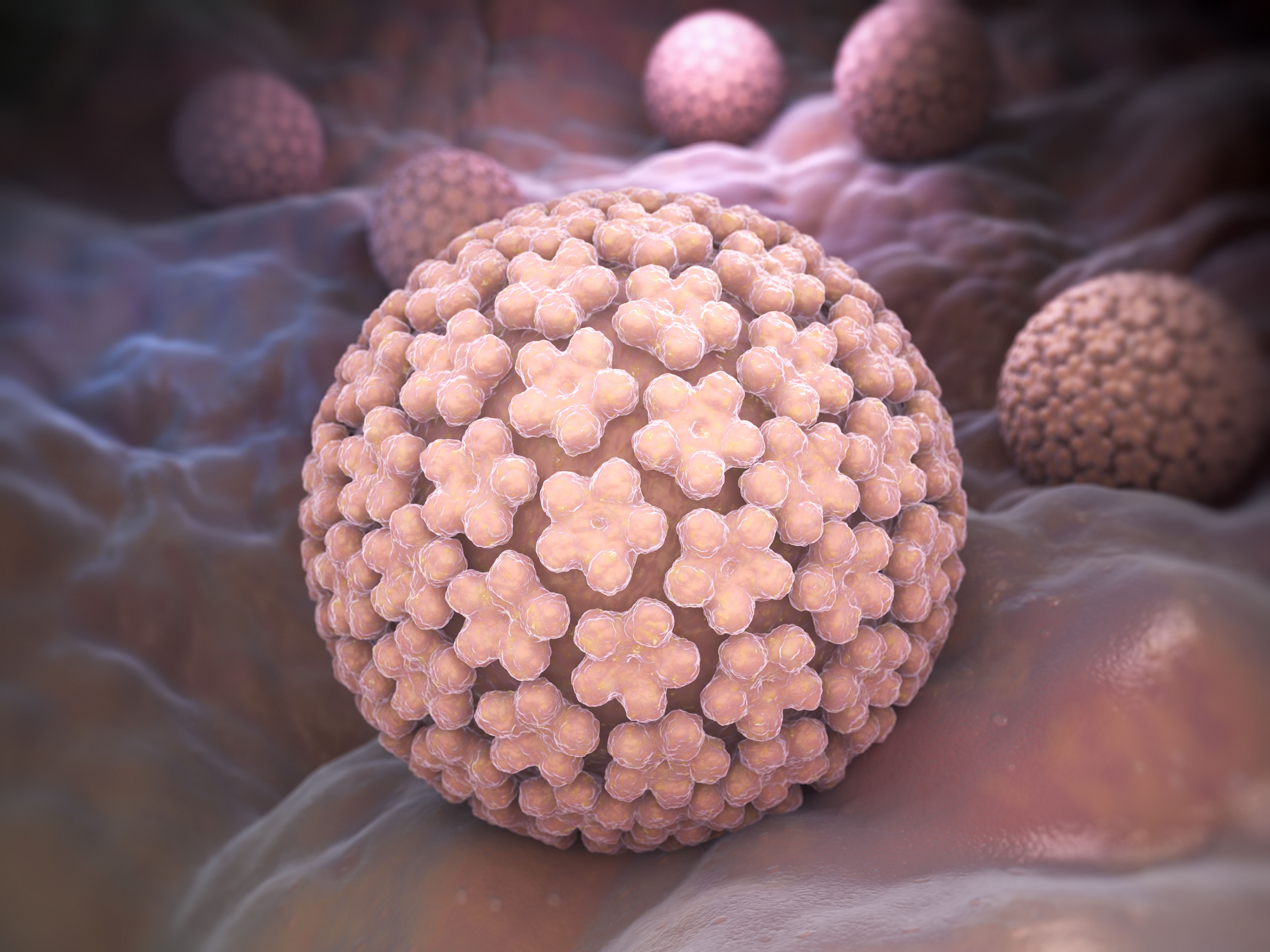 HPV16-L1 DRH1 epitope-specific antibodies are linked to HPV16-induced malignant disease, according to results from a multicenter European study published in EBioMedicine.1 These findings are based on a highly specific diagnostic test that appears to indicate cancer and predict its course from just a pinprick of blood. The newly developed HPV16-L1 DRH1 epitope-specific serological assay detects levels of DRH1 to HPV16. Importantly, HPV16 is the most carcinogenic of the 206 HPV-subtypes identified thus far and accounts for up to 90% of HPV-induced cancer deaths. "This is the first time that we have been able to show a link between raised levels of this specific antibody and HPV cancers, indicating the course of disease," Thomas Weiland, MD, of the division of General Otorhinolaryngology in Austria's Medical University of Graz, said in a press release.2 "This might raise the potential of being able to detect disease recurrence much earlier than current clinical practice." This multicenter study was comprised of 1486 patients, including 301 patients with head and neck squamous cell carcinoma (HNSCC), 12 with HIV-positive anal cancer, 80 who were HIV-positive, 29 who were vaccinated with Gardasil-9, and 1064 healthy controls. Participants were tested for human HPV16-L1 DRH1 antibodies using the DRH1-competitive-serological-assay. Ultimately, the DRH1-competitive-serological-assay demonstrated a sensitivity of 95% (95% CI, 77.2%-99.9%) for HPV16-driven HNSCC, and 90% (95% CI, 55.5%-99. 7%) for HPV16-induced anal cancer in HIV-positive patients. Moreover, overall diagnostic specificity was 99.46% for men and 99.29% for women 30 years or older. Following HPV vaccination, the observed antibody level increased from an average of 364 ng/ml to 37,500 ng/ml. During post-therapy monitoring, patients with HNSCC showing an antibody decrease in the range of 30% to 100% lived disease free over a period of up to 26 months. Of note, the increase of antibodies from 2750 ng/ml to 12,000 ng/ml mirrored recurrent disease. In addition, the investigators were also able to show that the L1-capsid protein is expressed in HPV16-DNA positive tumor-tissue. "While HPV infection does not indicate cancer, scientists have suspected for some time that if antibodies were to develop, there may be a link to cancer," Ralf Hilfrich, PhD, founder of Abviris and the creator of the DRH1 blood-based HPV tumor marker, said in the release. "Being able to detect that early enough could have a major impact on patient outcomes." "The test's specificity has enabled scientists to show that rising levels of HPV antibodies in blood do reflect malignancy," Hilfrich added. "The study also indicates that it may prove diagnostically significant, compared to current detection methods, when a biopsy is hard to access, or where the site of the primary cancer is unknown or unidentifiable, such as very early metastasis." Overall, these study results provide promising findings, especially when compared to the most effective cancer screening test so far, the Pap-smear, which has significantly reduced the incidence of HPV-induced cervical cancer, even with less impressive key data of about 50% sensitivity and 98% specificity. References: 1. Weiland T, Eckert A, Tomazic PV, et al. DRH1 – a novel blood-based HPV tumour marker. EBioMedicine. doi: 10.1016/j.ebiom.2020.102804 2. 'Pinprick' biomarker blood test offers diagnostic potential in HPV-related cancers Study shows rising antibody levels predict the course of cancer [news release]. Ahrensburg, Germany. Published November 11, 2020. Accessed November 18, 2020. https://www.newswise.com/articles/pinprick-biomarker-blood-test-offers-diagnostic-potential-in-hpv-related-cancers-study-shows-rising-antibody-levels-predict-the-course-of-cancer?sc=dwhr&xy=10019792  |
| It's safe to proceed with hpv vaccinations during covid-19 - Brunswick News Posted: 24 Nov 2020 09:00 PM PST  Dear Doctors: My daughter is overdue for her second shot of the HPV vaccine, but I'm hesitant due to the pandemic because I want her immunity to be strong right now. Are you recommending people get this vaccine during COVID? Dear Reader: The short answer is yes, we strongly encourage everyone to receive all of their routine vaccinations at this time, including the series for the human papilloma virus, also known as HPV. Although vaccines work by interacting with the immune system, each one is specific to a certain infectious agent. The HPV vaccine creates antibodies to the human papilloma virus. That means it will not interfere with the immune system's ability to respond to the coronavirus that causes COVID-19. The human papilloma virus refers to a large group of related viruses. Most cause warts on various parts of the body. The viruses are divided into low-risk types, which are rarely dangerous, and high-risk types, which can develop into cancers. These include cervical cancer, cervical precancer, certain throat cancers, anal cancer and cancers of the penis, vulva and vagina. Taken together, HPV infection causes up to 40,000 cases of cancer each year. This includes 11,000 cases of cervical cancer, which cause 4,000 deaths each year. Cervical precancer, which means abnormal cells are present on the cervix, affects almost 200,000 women each year. Treatment to prevent more advanced cases of cervical precancer from progressing to cancer include cryosurgery or laser therapy to freeze or burn away the cells. These treatments can limit the patient's future ability to have children. The good news is that the HPV vaccine, which was introduced in 2006, is extremely effective at offering protection from the virus. Widespread vaccination could prevent more than 90% of cancers that are now caused by HPV. Younger patients between the ages of 9 and 14 will be protected by two doses of the vaccine, with the second dose given six to 12 months after the first. Three doses are recommended for individuals between the ages of 15 and 24, with the second dose given two months after the first and the third within six months of the first. It can be a little confusing, but your health care provider will advise you on the optimal schedule for each child according to their age. We heard from another reader, who asked us to discuss HPV and colon cancer. Although the role of HPV in anal cancer is well-established, a potential link to colon cancer has been a source of controversy. That may be changing. A study published by the National Institutes of Health found HPV infection is common in patients with colorectal cancer. The study reported that HPV infection was often found in colorectal cancer tissues, as well as tissues adjacent to the cancers. Analyses of data in Europe, Asia and South America also found a higher incidence of colon cancer among individuals infected with HPV.  |
| You are subscribed to email updates from "hpv" - Google News. To stop receiving these emails, you may unsubscribe now. | Email delivery powered by Google |
| Google, 1600 Amphitheatre Parkway, Mountain View, CA 94043, United States | |


Comments
Post a Comment